
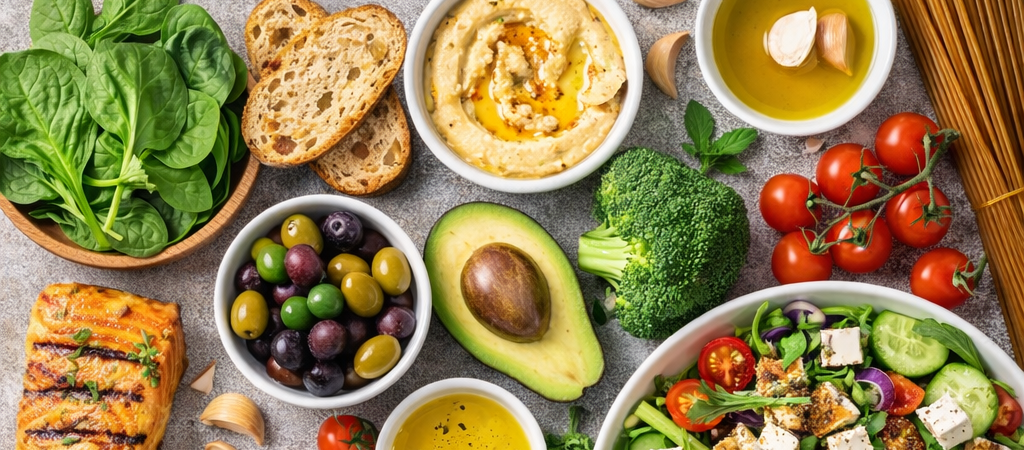
If you’re looking for a balanced, heart-healthy, and sustainable way to eat, the Mediterranean diet plan is one of the best choices available. Unlike restrictive fad diets, this eating pattern focuses on whole foods, healthy fats, fresh vegetables, and lean proteins.
The Mediterranean diet is inspired by the traditional eating habits of countries like Greece, Italy, and Spain. It has gained worldwide popularity due to its proven health benefits, including weight management and improved heart health.
In this complete beginner’s guide, you’ll learn what the Mediterranean diet is, how it works, its benefits, and a simple meal plan to get started.
What Is the Mediterranean Diet?
The Mediterranean diet is not a strict diet — it’s a lifestyle approach to healthy eating. It emphasizes:
- Fresh fruits and vegetables
- Whole grains
- Legumes
- Nuts and seeds
- Olive oil as the main fat source
- Fish and seafood
- Moderate dairy
- Limited red meat
This diet is rich in nutrients, fiber, antioxidants, and healthy fats.
Why the Mediterranean Diet Plan Is So Popular
The Mediterranean diet plan stands out because it is:
- Easy to follow
- Balanced and nutritious
- Flexible
- Supported by research
- Sustainable long-term
Unlike crash diets, it doesn’t require eliminating entire food groups.
Health Benefits of the Mediterranean Diet
1. Supports Heart Health
Olive oil and fatty fish contain healthy fats that may reduce bad cholesterol.
2. Helps with Weight Management
High fiber foods keep you full longer, reducing overeating.
3. Improves Blood Sugar Control
Whole grains and vegetables stabilize blood sugar levels.
4. Reduces Inflammation
Antioxidant-rich foods help fight inflammation in the body.
5. Promotes Longevity
People in Mediterranean regions often live longer, healthier lives.
Core Foods in a Mediterranean Diet Plan
To follow this diet correctly, focus on these food groups:
1. Vegetables and Fruits
These should make up a large portion of your meals.
Examples:
- Spinach
- Tomatoes
- Cucumbers
- Bell peppers
- Zucchini
- Berries
- Oranges
- Apples
Aim for at least 5 servings daily.
2. Whole Grains
Choose whole grains instead of refined carbs.
Examples:
- Brown rice
- Quinoa
- Whole wheat bread
- Oats
- Barley
These provide fiber and sustained energy.
3. Healthy Fats
Olive oil is the main fat source in a Mediterranean diet plan.
Other healthy fats:
- Avocado
- Nuts
- Seeds
Avoid processed vegetable oils and trans fats.
4. Lean Protein
Protein sources include:
- Fish (especially salmon, sardines, tuna)
- Chicken
- Legumes (lentils, chickpeas)
- Beans
- Eggs
Red meat should be eaten occasionally.
5. Dairy (In Moderation)
Choose:
- Greek yogurt
- Cheese (like feta)
Consume in small portions.
Sample 7-Day Mediterranean Diet Meal Plan
Here’s a simple weekly guide for beginners.
Day 1
Breakfast: Greek yogurt with berries and nuts
Lunch: Chickpea salad with olive oil dressing
Dinner: Grilled salmon with roasted vegetables
Day 2
Breakfast: Oatmeal with fruits
Lunch: Whole wheat pita with hummus and salad
Dinner: Baked chicken with quinoa
Day 3
Breakfast: Whole grain toast with avocado
Lunch: Lentil soup
Dinner: Grilled fish with brown rice
Day 4
Breakfast: Smoothie with spinach and banana
Lunch: Mediterranean salad with feta cheese
Dinner: Vegetable stir-fry with chickpeas
Day 5
Breakfast: Boiled eggs with whole grain toast
Lunch: Tuna salad
Dinner: Grilled chicken with roasted sweet potatoes
Day 6
Breakfast: Chia pudding with fruits
Lunch: Quinoa bowl with vegetables
Dinner: Baked fish with steamed broccoli
Day 7
Breakfast: Yogurt with honey and almonds
Lunch: Hummus wrap with veggies
Dinner: Vegetable pasta with olive oil and herbs
Foods to Avoid on a Mediterranean Diet
While this diet is flexible, limit:
- Processed foods
- Sugary drinks
- White bread
- Refined sugar
- Fast food
- Excess red meat
Whole, natural foods should always be your priority.
Mediterranean Diet for Weight Loss
Many people use the Mediterranean diet plan for weight loss because it:
- Controls hunger naturally
- Reduces cravings
- Encourages portion control
- Avoids extreme restrictions
Combined with regular physical activity, it can support steady fat loss.
Mediterranean Diet vs Keto Diet
Mediterranean Diet:
- Includes whole grains
- Balanced macronutrients
- Sustainable long-term
Keto Diet:
- Very low carb
- High fat
- More restrictive
The Mediterranean approach is often easier to maintain.
Tips for Success
If you want long-term success:
- Cook at home more often
- Use olive oil instead of butter
- Eat more fish than red meat
- Fill half your plate with vegetables
- Stay active daily
Consistency matters more than perfection.
Is the Mediterranean Diet Safe?
Yes. The Mediterranean diet plan is considered one of the healthiest eating patterns worldwide. It includes all essential nutrients and avoids extreme restrictions.
However, people with medical conditions should consult a healthcare professional before making major dietary changes.
Final Thoughts
The Mediterranean diet is not just a meal plan — it’s a lifestyle built around fresh, whole foods and balanced nutrition. It supports heart health, weight management, and overall well-being.
If you’re looking for a sustainable, enjoyable way to eat healthier, the Mediterranean diet plan is an excellent choice. Start with small changes, focus on whole foods, and make it a long-term habit.
Healthy eating doesn’t need to be complicated. Keep it simple, natural, and consistent.