
If you’re looking for a simple and effective way to lose weight without counting every calorie, nbbbb b fasting for weight loss might be the solution. Unlike traditional diets that focus on what you eat, intermittent fasting focuses on when you eat.
This approach has gained massive popularity because it is flexible, sustainable, and supported by scientific research. In this complete beginner’s guide, you’ll learn how intermittent fasting works, its benefits, different methods, and how to start safely.
What Is Intermittent Fasting?
Intermittent fasting (IF) is an eating pattern that cycles between periods of eating and fasting. It does not restrict specific foods but controls the timing of meals.
Instead of eating throughout the day, you eat within a defined time window and fast for the remaining hours.
For example:
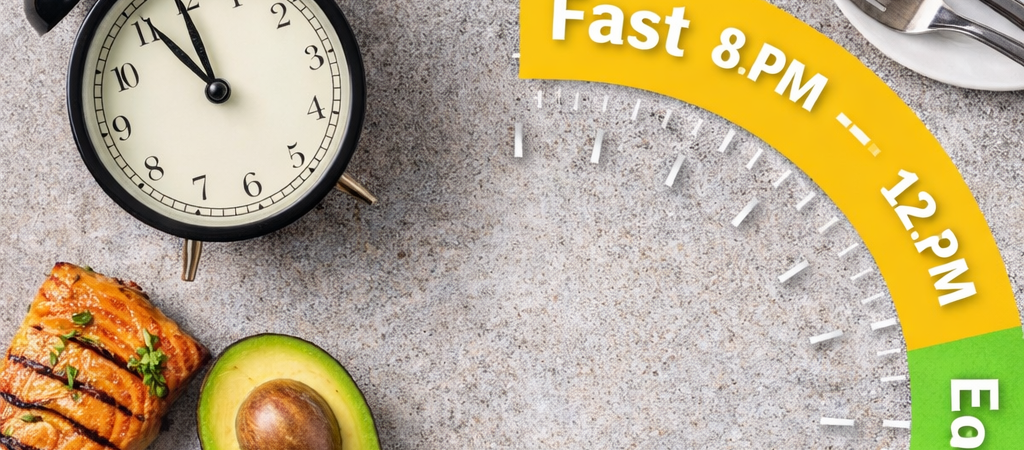
- Eating between 12 PM and 8 PM
- Fasting from 8 PM to 12 PM the next day
This method helps your body switch from burning sugar to burning stored fat.
How Intermittent Fasting Helps With Weight Loss
Intermittent fasting for weight loss works in several ways:
1. Reduces Calorie Intake
By limiting your eating window, you naturally consume fewer calories.
2. Improves Insulin Sensitivity
Lower insulin levels encourage fat burning.
3. Boosts Metabolism
Short fasting periods can increase metabolic rate.
4. Promotes Fat Burning
When your body runs out of glucose, it starts using stored fat as fuel.
This makes intermittent fasting one of the most effective fat loss strategies.
Most Popular Intermittent Fasting Methods
There are several types of intermittent fasting. Beginners should choose the easiest option.
1. 16/8 Method (Most Popular)
- Fast for 16 hours
- Eat during an 8-hour window
Example:
Eat from 12 PM to 8 PM
Fast from 8 PM to 12 PM next day
This is the most recommended method for beginners.
2. 14/10 Method (Beginner-Friendly)
- Fast for 14 hours
- Eat within 10 hours
This is easier to follow if 16 hours feels difficult at first.
3. 5:2 Method
- Eat normally for 5 days
- Reduce calories (500–600) for 2 non-consecutive days
This approach works well for people who prefer not to fast daily.
4. Alternate-Day Fasting
Fast every other day. This method is more advanced and not recommended for beginners.
What Can You Eat During Intermittent Fasting?
During fasting hours, you should avoid calories. You can drink:
- Water
- Black coffee
- Green tea
- Herbal tea
During your eating window, focus on:
- Lean protein (chicken, fish, eggs)
- Healthy fats (avocado, nuts, olive oil)
- Whole grains
- Vegetables and fruits
Avoid processed foods and sugary drinks.
Sample Intermittent Fasting Meal Plan (16/8 Method)
12:00 PM – First Meal
Grilled chicken salad with olive oil dressing
Brown rice or quinoa
Fresh fruit
3:30 PM – Snack
Greek yogurt with nuts
7:30 PM – Dinner
Grilled salmon
Steamed vegetables
Small portion of sweet potato
This balanced approach supports weight loss without nutrient deficiency.
Benefits of Intermittent Fasting for Weight Loss
Beyond fat loss, intermittent fasting offers other health benefits:
1. Better Blood Sugar Control
Helps stabilize insulin levels.
2. Improved Heart Health
May reduce cholesterol and blood pressure.
3. Mental Clarity
Many people report better focus during fasting.
4. Simplicity
No complicated meal prep or calorie counting required.
How Much Weight Can You Lose?
Results vary depending on consistency and diet quality.
On average:
- 0.5 to 1 kg per week
- 1 to 2 pounds per week
Remember, sustainable weight loss is gradual.
Common Mistakes to Avoid
If you want success with intermittent fasting for weight loss, avoid these mistakes:
1. Overeating During Eating Window
Fasting does not mean unlimited junk food.
2. Not Eating Enough Protein
Protein preserves muscle mass.
3. Dehydration
Drink plenty of water.
4. Starting Too Aggressively
Begin with 14/10 before switching to 16/8.
Who Should Avoid Intermittent Fasting?
Intermittent fasting may not be suitable for:
- Pregnant or breastfeeding women
- People with eating disorders
- Individuals with diabetes (without doctor supervision)
- Underweight individuals
Always consult a healthcare professional if unsure.
Tips for Beginners
If you’re new to intermittent fasting:
- Start slowly
- Stay hydrated
- Eat balanced meals
- Sleep at least 7 hours
- Combine with light exercise
Walking, strength training, and yoga complement fasting well.
Does Intermittent Fasting Reduce Belly Fat?
Yes, intermittent fasting helps reduce overall body fat, including belly fat. Lower insulin levels and improved fat burning contribute to this effect.
However, spot reduction is not possible. Fat loss happens throughout the body.
Intermittent Fasting vs Traditional Dieting
Traditional Dieting:
- Focuses on calorie restriction
- Requires constant meal planning
Intermittent Fasting:
- Focuses on timing
- Easier for many people
- Sustainable long-term
Many people find intermittent fasting simpler than strict calorie counting.
Long-Term Sustainability
The key to success with intermittent fasting for weight loss is consistency.
It should feel like a lifestyle — not punishment.
You can adjust your fasting window based on your schedule. Flexibility makes it easier to maintain.
Final Thoughts
Intermittent fasting is one of the simplest and most effective strategies for weight management. By controlling when you eat, you help your body burn fat more efficiently and improve overall health.
If done correctly, intermittent fasting for weight loss can:
- Reduce body fat
- Improve metabolism
- Increase mental clarity
- Simplify your diet routine
Start slowly, stay consistent, and focus on whole foods during your eating window. Sustainable results come from smart habits — not extreme restrictions.