
Small, consistent actions can transform your health. This guide offers 10 practical, culturally-relevant habits for South Asians—from mindful eating with roti to incorporating turmeric—backed by science and easy to start today.
10 Simple Healthy Habits for Everyday Life: A South Asian Guide to Sustainable Wellness
In the hustle of daily life, especially with the rich, flavorful routines of South Asian households, wellness can feel like a distant goal. But true health isn't about drastic overhauls; it's about small, consistent habits that fit seamlessly into your existing lifestyle. Research shows that sustainable change comes from tiny, repeatable actions. Here are 10 evidence-based habits, tailored for the South Asian context, to boost your energy, digestion, and long-term vitality.
1. Start Your Day with Warm Lemon Water
Instead of reaching for chai first thing, try a glass of warm water with fresh lemon juice. This simple habit supports hydration, kickstarts digestion, and provides a dose of vitamin C. A 2022 review in Nutrients highlights that adequate hydration improves mood and cognitive function.
Tip: Add a pinch of black salt (kala namak) for electrolytes—a common practice in Pakistani kitchens that also aids digestion.
2. Practice Mindful Roti Eating
Roti is a staple, but how you eat it matters. Instead of rushing through meals, try eating your roti mindfully—chew each bite 20-30 times, put down the roti between bites, and savor the flavors. This practice, backed by a 2019 study in Appetite, can reduce overeating and improve satiety. Pair it with a side of sabzi (vegetables) to boost fiber intake.
3. Incorporate Turmeric and Black Pepper Daily
Turmeric (haldi) is a powerhouse of curcumin, a potent anti-inflammatory compound. However, curcumin has poor absorption unless combined with black pepper (piperine). A 2018 study in Foods confirms that piperine enhances curcumin bioavailability by up to 2000%. Add a pinch of black pepper to your haldi doodh (golden milk) or dal.
4. Take a 10-Minute Post-Meal Walk
After lunch or dinner, avoid sitting or lying down immediately. A 10-minute walk helps regulate blood sugar levels. A 2021 study in Diabetes Care found that light walking after meals significantly lowers postprandial glucose spikes. This is especially beneficial for those with a family history of type 2 diabetes.
5. Swap Refined Grains for Whole Grains
Replace white rice and maida (refined flour) with brown rice, whole wheat roti, or millets like bajra and jowar. Whole grains are rich in fiber, B vitamins, and minerals. A 2022 meta-analysis in The BMJ linked higher whole grain intake to a 17% lower risk of heart disease. Start by mixing brown rice with basmati rice in a 1:1 ratio.
6. Hydrate with a Twist: Infused Water
Many South Asians don't drink enough water. Instead of sugary drinks, try cucumber-mint water or lemon-cumin water (jeera pani). Staying adequately hydrated supports digestion, skin health, and energy levels. The Institute of Medicine recommends about 3.7 liters for men and 2.7 liters for women per day, including food sources.
7. Include a Handful of Nuts Daily
A daily serving of mixed nuts (almonds, walnuts, pistachios) provides healthy fats, vitamin E, and magnesium. A 2023 study in Nutrition Reviews associated nut consumption with a 25% lower risk of cardiovascular disease. Keep a small bowl of roasted almonds or walnuts on your desk for a smart snack.
8. Prioritize Sleep Hygiene
Sleep is the foundation of health. Aim for 7-9 hours of quality sleep nightly. Create a wind-down routine: no screens 30 minutes before bed, a warm glass of milk with turmeric, and a dark, cool room. Poor sleep is linked to weight gain, weakened immunity, and metabolic issues (CDC, 2023).
9. Use the "Half-Plate" Rule for Vegetables
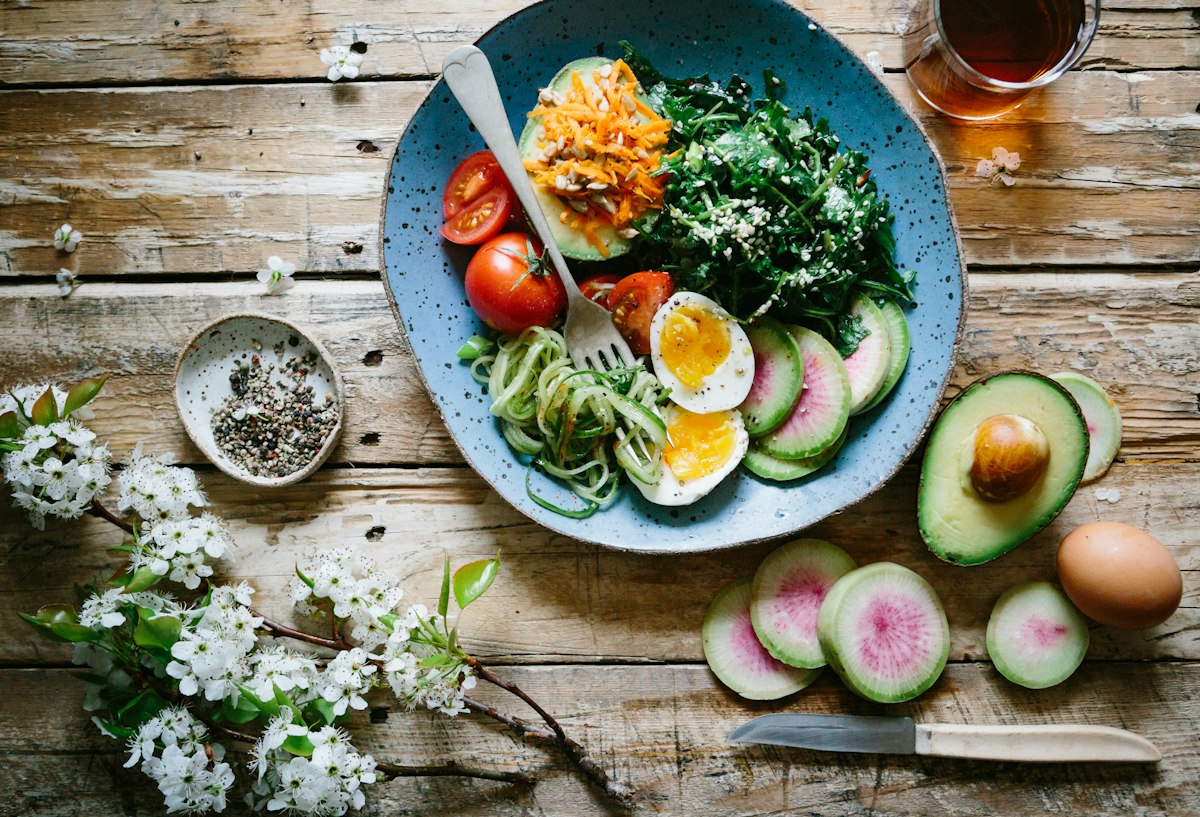
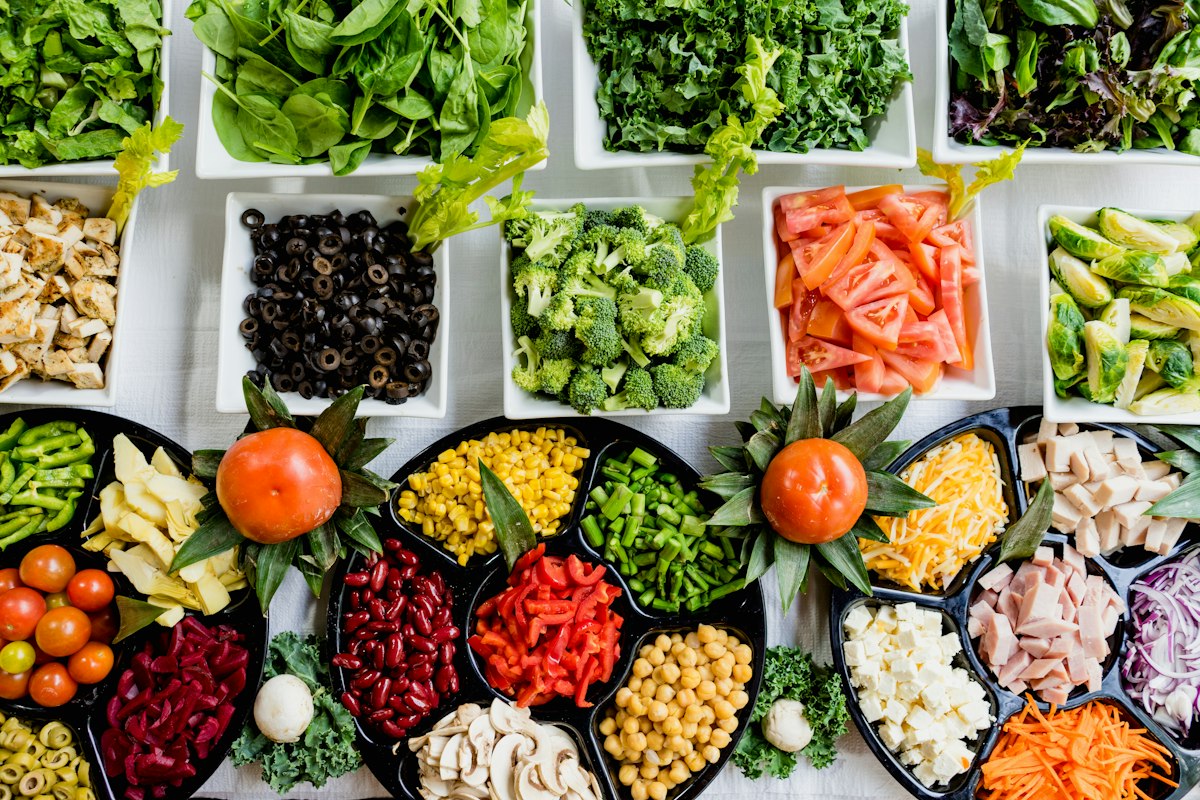
At lunch and dinner, fill half your plate with non-starchy vegetables like bhindi (okra), lauki (bottle gourd), or palak (spinach). This simple visual cue boosts fiber, vitamins, and antioxidants while naturally reducing calorie intake. A 2020 study in The American Journal of Clinical Nutrition confirmed that this strategy aids weight management.
10. Track Your Progress with TesteFood Tools
Consistency is easier with the right tools. Use the Calorie Calculator to estimate your daily needs or the AI Nutritionist for personalized meal ideas. Small, data-driven adjustments lead to big results over time.
Quick Reference: Habit vs. Benefit
| Habit | Key Benefit | Science Backing |
|---|---|---|
| Warm lemon water | Hydration, vitamin C | *Nutrients*, 2022 |
| Mindful roti eating | Reduced overeating | *Appetite*, 2019 |
| Turmeric + black pepper | Enhanced anti-inflammatory effect | *Foods*, 2018 |
| Post-meal walk | Lower blood sugar | *Diabetes Care*, 2021 |
| Whole grains | Heart health | *The BMJ*, 2022 |
Final Thoughts
Wellness isn't about perfection; it's about progress. Start with one or two habits from this list, practice them for 21 days, and gradually add more. The South Asian diet, with its spices, legumes, and vegetables, is already rich in nutrients—small tweaks can make it even healthier.
Ready to take the next step? Use the Calorie Calculator to personalize your daily intake, or chat with the AI Nutritionist for custom meal plans. Your journey to a healthier you starts today.
Wellness Support for This Topic

Omega-3 Fish Oil
Premium EPA + DHA Complex
May support heart health, brain function, and reduce inflammation as part of a balanced diet.
Vitamin D3 + K2
Sunshine Vitamin Complex
May support bone density, immune function, and mood as part of daily wellness routine.
*General wellness guidance only. Not a substitute for professional medical advice. Always consult a qualified healthcare provider before starting supplements. Medical disclaimer · Affiliate disclosure
Get Personalized Nutrition Advice
Ask our AI nutritionist anything about wellness — instant, free, no signup required.